Feb 19, 2026

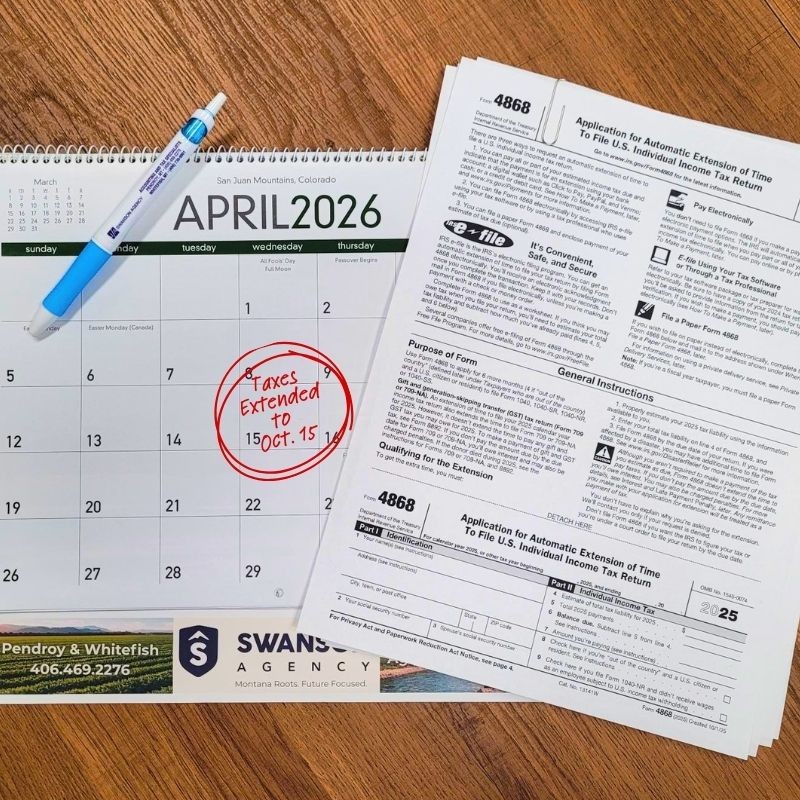
Turn Rush Mode into Strategy Mode
Most people don’t choose an extension.
They realize they’re missing documents, life got busy, the books aren’t ready, or a K-1 still hasn’t arrived… and suddenly it’s deadline week.
If that’s you, here’s the calm truth: an extension can be the smartest way to file — as long as you use it intentionally.
What an extension is (and what it isn’t)
A tax extension gives you an automatic extra six months to file your return.
That’s the win: more time to file correctly.
But it’s important to know what you’re not getting:
An extension is not extra time to pay.
If you owe, the IRS still expects payment by the original deadline — even if your paperwork gets filed later. Once you separate “file” from “pay,” extensions stop feeling scary and start feeling straightforward.
Why extend if you still have to pay?
Because for a lot of people, the real risk isn’t filing late.
It’s filing fast.
If your taxes involve anything beyond a simple W-2—farm income, investments, partnerships, S-corps, real estate, multiple 1099s—forms can show up late, get corrected, or depend on someone else’s timeline.
That’s how people end up in the worst cycle: a rushed return… followed by an amended return.
An extension gives you time to file once, cleanly, with fewer surprises.
The Real Benefit: Better Decisions with Better Information
Tax season (February through April) is triage. Everyone is moving fast, chasing documents, and trying to meet a hard deadline.
Extensions change the pace.
They create room to gather what’s missing, clean up the books without shortcuts, and make thoughtful calls on decisions that matter—without trying to solve everything in the final week.
This is where the extension becomes more than a delay. It becomes a planning tool.
Because when you file later in the year, you can often see more of what the current year is doing. That extra visibility can make a real difference when you’re deciding how to handle things like:
depreciation timing and carryovers
retirement contribution strategies
installment sale reporting decisions
farm-specific timing items and elections (including common deferral and expensing choices)
Not every one of these applies to every person. But the bigger point is simple: more time often means better choices.
What still must happen by the original deadline
Extensions aren’t “do taxes later.” They’re “handle the deadline cleanly, then file when it’s ready.”
Here are the three things that still matter by the original due date:
File the extension
This is the formal step that tells the IRS you’re filing later. Simple, but it has to be submitted on time.
Pay a reasonable estimate (if you might owe)
You don’t have to guess perfectly, but you do want to avoid being caught underpaid.
If you pay quarterly estimates, here’s a simple approach we often recommend:
Make one larger extension payment that includes your 1st-quarter estimate plus whatever you likely still owe for last year.
Why we like this:
It gives you a cushion if the estimate ends up low.
If you overpay, that’s okay — we can apply the extra to your 1st-quarter estimate or roll it forward.
If you don’t make quarterly estimates, you can ignore that strategy. The key is still the same: pay enough to land safely, then finalize the return when the information is complete.
Watch contribution deadlines that don’t move
Even if your return is extended, some contribution deadlines still typically stick to the original due date (common examples include IRA and HSA timing rules).
But there’s one important exception for business owners: SEP IRA contributions can usually be made up through the extended deadline.
That’s one reason extensions can be an intentional move—not just a rescue plan.
What an extension gives you (and what it doesn’t)
An extension gives you time to file smart. It does not give you permission to ignore the process.
An extension gives you:
time to gather late or corrected documents
time to clean up books and reconcile accounts
time for planning conversations when schedules are calmer
a better chance of filing correctly the first time
An extension does not give you:
more time to pay
better results if you still wait until the last week of the extension window
a free pass to disappear until October
The only bad extension
If you extend… and then cram everything into the last week of the extension anyway, you didn’t gain anything.
You just moved the stress from April to October.
The extension works best when it’s used as intended: as breathing room to get organized, make good decisions, and file cleanly.
The takeaway
A well-used extension isn’t a failure. It’s a strategy.
It’s choosing:
accuracy over speed
planning over panic
one clean filing over a rushed filing plus amendments
If you think you might need to extend this year, the best move is to tell us early. We can help you estimate the payment, handle the deadline properly, and use the extra runway the way it’s meant to be used.
Turn Rush Mode into Strategy Mode.
You might also be interested in these articles: